


The protection of human rights, as YUCOM’s core mission, involves continuous monitoring of human rights and freedoms, collaborating with institutions to improve them, and challenging institutions when they fail to uphold human rights standards.
Monitoring the state of human rights means providing every individual with the opportunity to approach us confidentially and share their experiences.…
Project Duration: August 1, 2024 – July 31, 2027
Donor: Matra Program, Government of the Netherlands
Project Value: 287,900 EUR
Project Overview:
The project "Navigating the EU Path: Serbia’s Institutional Response to Citizens’ Civic and Political Rights" aims to foster a rights-respecting environment in Serbia by advancing fundamental freedoms of assembly, expression, and association for both citizens…
The guide My Rights in the Event of a Traffic Accident is intended for all road users in the Republic of Serbia, whether on land, water, or in the air. It is based on the Law on Compulsory Traffic Insurance and the rights guaranteed by it. The guide aims to answer key questions, such as:…
The Problem
General opinions in Serbia about the functioning of the judicial system are considerably more negative than positive: more than 40% of the Serbian population has a negative opinion about the functioning of judicial system, and only 26% of the citizens trust the system. Low levels of knowledge about how the courts operate and misconceptions…
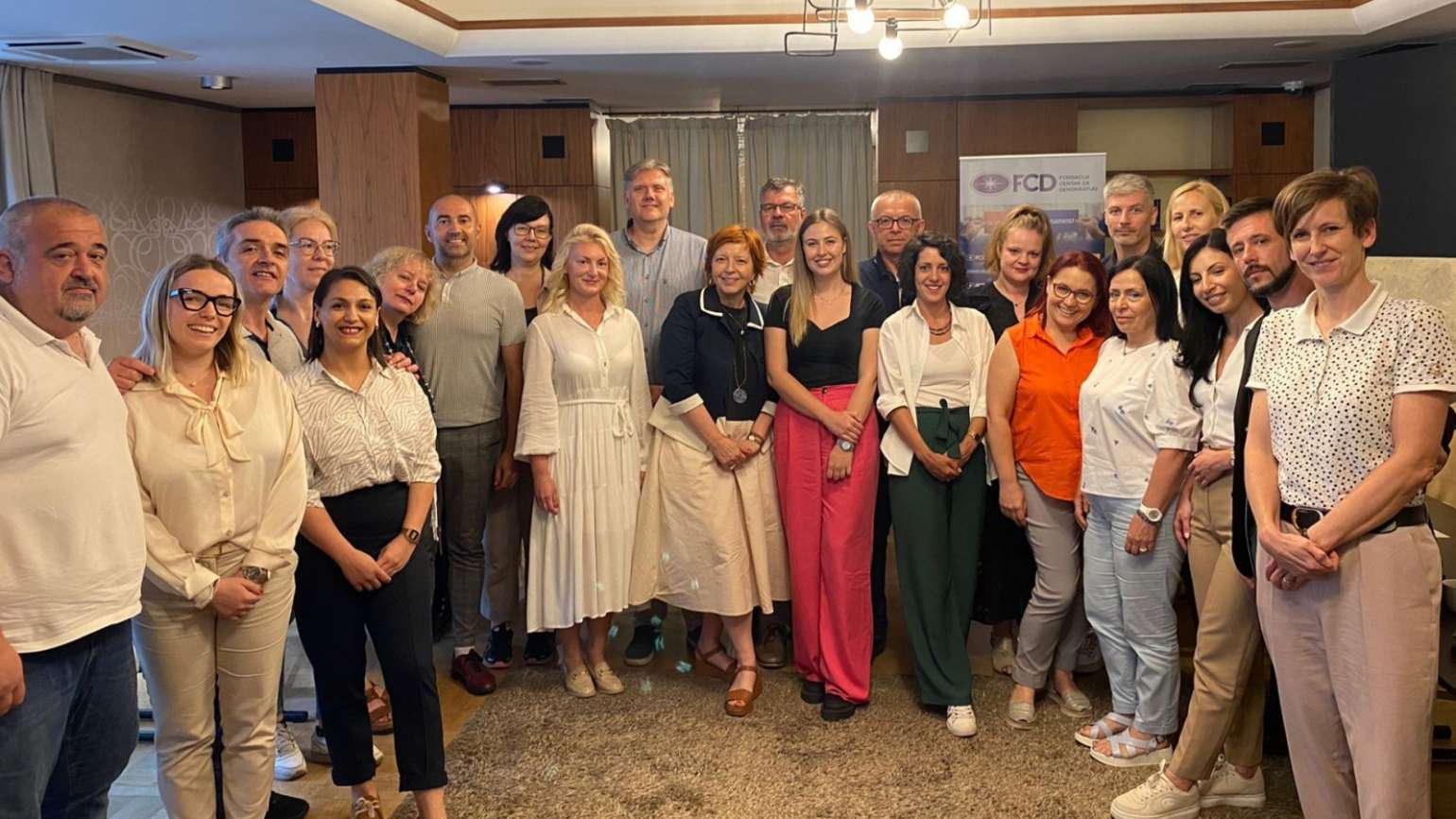
Workshop on Recommendations for Increased Participation of Trade Unions and CSOs in the Protection of Human Rights in Companies
The Center for Democracy Foundation organised a workshop on 12 June 2024 on the recommendations of the study entitled The Role of Trade Unions and Civil Society Organisations in the Protection of Human Rights in Supply Chains.…
Project Duration: June 1, 2024 – November 30, 2024
Donor: RoAid
Project Value: 10.000 EUR
Project Overview:
The project “Cultivating Justice: Legal Culture and Judicial Reforms” seeks to enhance Serbia's legal culture by supporting judicial independence, transparency, and accountability. This initiative will monitor judicial reforms, address undue influence, and foster knowledge exchange through a roundtable conference. Key…
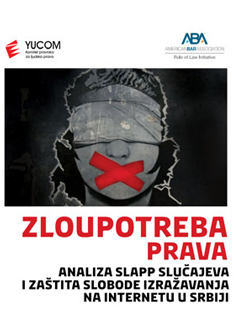
This analysis examines both the domestic and international legal frameworks, as well as cases of strategic lawsuits against public participation (SLAPP), within the digital space of Serbia. The focus is on protecting freedom of expression and preventing the abuse of legal mechanisms that seek to suppress public engagement. It particularly looks at SLAPP cases under…
It is stated in the report of the Committee of Lawyers for Human Rights
Access to justice was not fully possible during the integration of the judiciary in Kosovo, and with the exit of the Serbs from the institutions, the situation in that field worsened several times, according to the report of the Committee of Lawyers…
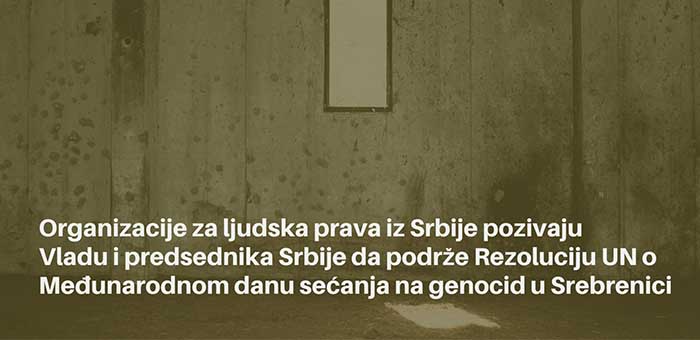
The facts about the Srebrenica genocide and its legal characterization have been determined beyond reasonable doubt by the judgments of the International Criminal Tribunal for the former Yugoslavia and the International Residual Mechanism for Criminal Tribunals.
The first judgment for genocide in Srebrenica was delivered to the Commander of the Drina Corps of the Army…
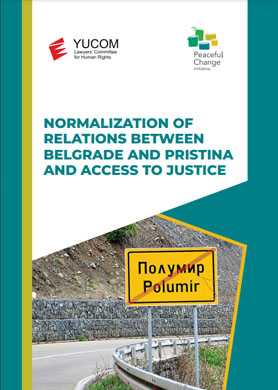
The report Normalization of Relations between Belgrade and Pristina and Access to Justice is based on research conducted from September 2023 to March 2024. It covers the period from November 2022 to March 2024 and provides relevant information on the current situation regarding access to justice for citizens living in Kosovo, with a focus on…